
In 2017, AXA was the most mentioned insurer in France on the web. The number of mentions has increased tenfold in just four years. This growth is largely due to the active presence of our employees on social media. Indeed, a growing number of them are sharing, reporting on, and promoting what's happening at AXA every day. AXA FranceThey are now true ambassadors who positively influence the perception of the company. My conviction is " We don't "make" our employees "our ambassadors." They become ambassadors naturally. So how does this process take shape?
To suggest that a company's employees waited for social media to become its ambassadors would be a gross oversimplification. Many employees contributed to building their company's image and reputation long before these new communication tools emerged. The difference is that this engagement has become visible and measurable with social media. The cumulative number of "likes," "views," and "shares" of posts created by employees sometimes far exceeds the performance of "official" company channels. As the "battle for attention" rages on, companies are discovering that they have internal "ambassadors" with a significant audience, but that's not all… According to a 2015 study by LinkedIn—covering the main social networks—while only 15% of respondents trust corporate messages published on social media, 70% trust opinions posted online by their own connections.
So, how can we promote ambassadorship? A number of content-sharing tools have emerged in recent years. The principle is simple: to provide employees with articles and videos daily, which they can then share on social media. This publishing tool is certainly a means to an end, but it is not the only means. It's one thing for a company to recognize the influence of its employees on social media. But what it should primarily focus on are the benefits that each individual will derive from it. And these benefits are numerous: staying informed and communicating, learning and understanding new practices, networking, and seizing opportunities.
In 2011, we launched a discussion among our AXA France employees about the Digital Common SenseA participatory platform and some 500 contributions later, we published the first guide to using social media. The strength of this concept lies in two key areas: addressing the questions everyone is asking and harnessing collective intelligence. Six years later, we've seen a massive increase in the professional use of social media by our employees, particularly with the widespread adoption of LinkedIn and Twitter. In addition to questions about online reputation, cyberbullying, and hacking (which remain relevant today), we've added advice on how to respond to fake news and illegal content, and how to build your online visibility and reputation.
This reflectionWe wanted it to be participatory and collaborative. Participatory, because our employees were involved. Collaborative, because all of our advice is now public and available for consultation – guess where? – on social networks!
AXA has a very strong corporate culture. Around 90% of employees say they are proud to work there, and this sense of belonging, which has always been part of its DNA, is now widely reflected in their professional digital lives. Thus, "employee advocacy"—the current buzzword—is not an end in itself, but the positive outcome of a comprehensive approach: on the one hand, employees who are satisfied with their work and their company and want to share positive experiences; on the other hand, a company committed to supporting, guiding, and protecting them. Finally—and most importantly—shared values. 🙂
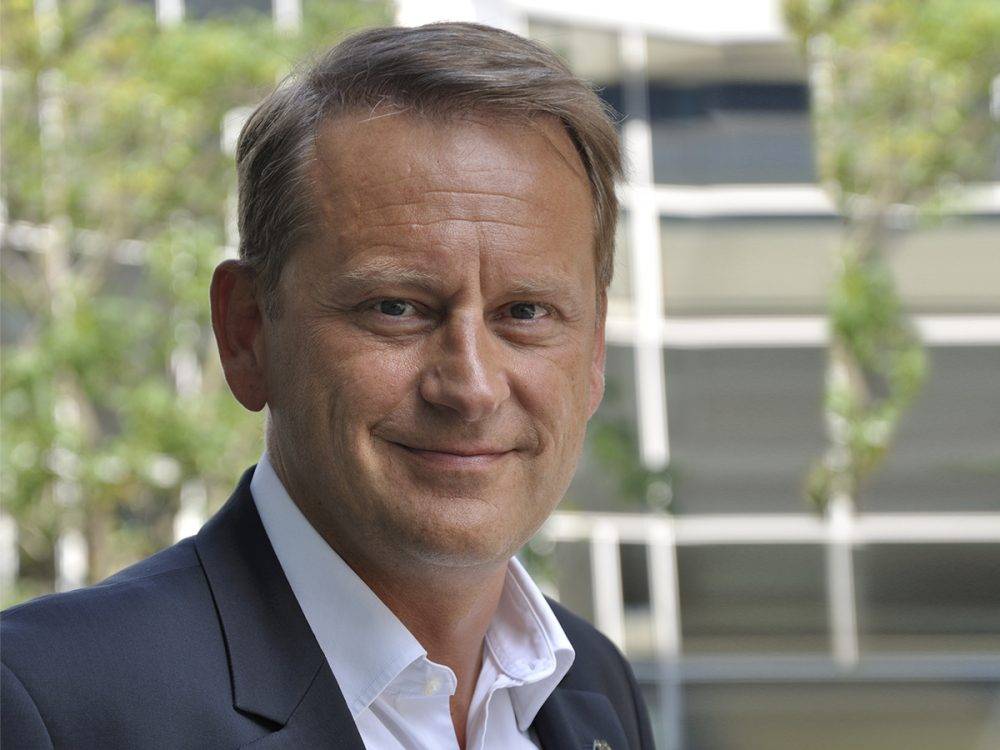
Opinion piece by Eric Lemaire, Director of Communications and CSR at AXA FrancePresident of AXA Prevention and, above all, guest of the We Are COM team!