
Mini-fairs for Communication professions We Are COM X ISCOMThey present the daily lives of communications professionals. In this episode #15, let's take a look at creative professions in communications. 😎
A few words about creative professions
Design and creation are essential to any communication strategy. In order to strengthen its reputation and create preference, every company must necessarily build and enrich its territory of expression through an innovative and creative approach..
This creativity is put to work in all kinds of communication: slogan, logo. poster campaign, video, client experience, event… To learn more about creative professions, meet here.
Expert opinion
📣 Side advertiserwe exchange with Julie Malberti, social media manager at Lenôtrewhile on the agency is Charles Fortin, Director and Producer of Orygen Filmswho answers our questions.
???? Hello to you both, what is each of your professions?
Charles Fortin: I produce films for companies that use the services of our agency, Orygen. For brands, communication is a vital need, and film remains an excellent way for them to engage their audiences.
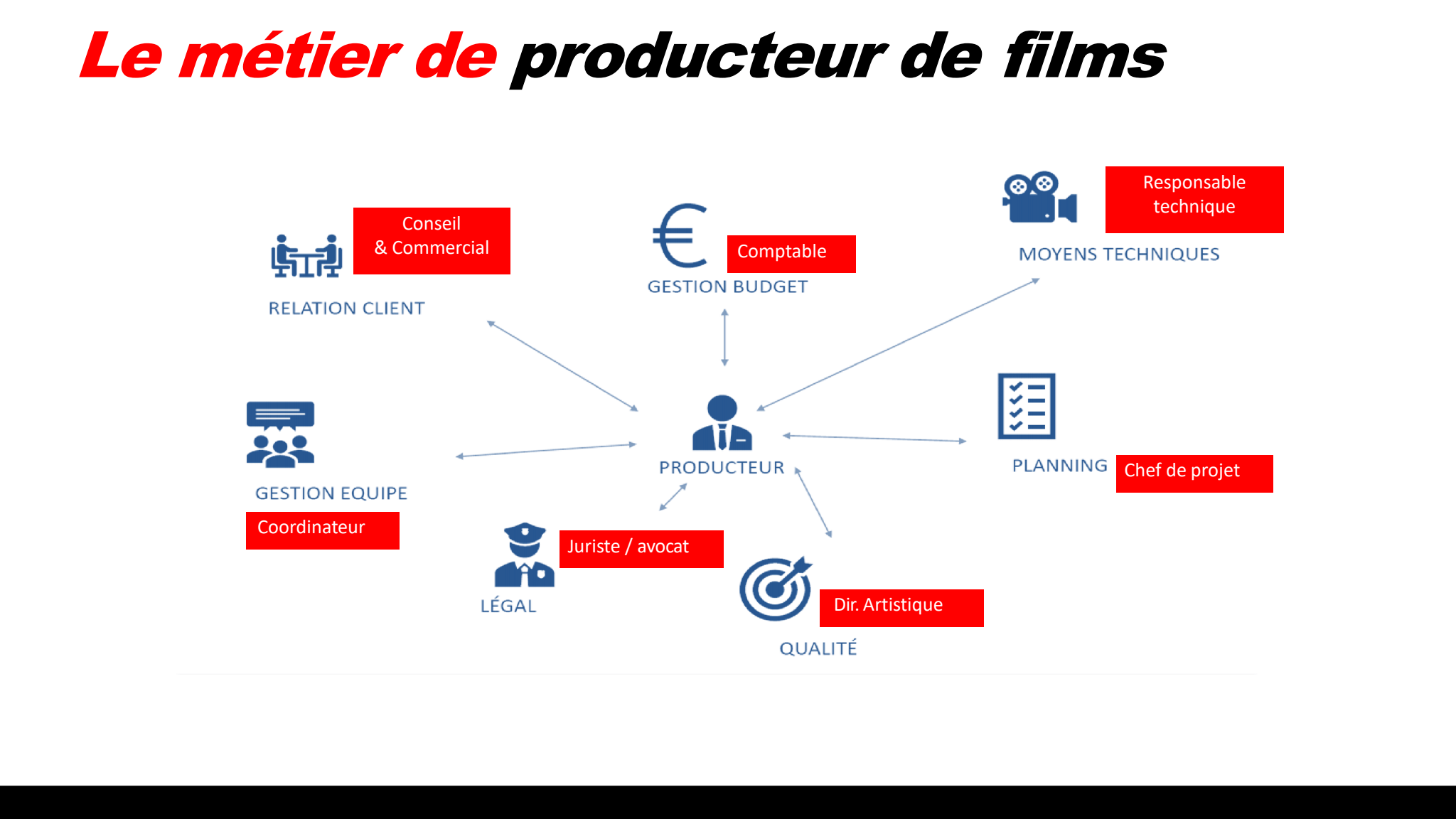
Production audiovisual It's primarily an advisory role. It's essential to listen to the client's needs, analyze the target audience, and fully grasp the video's objective. Secondly, it requires a methodical approach: design, scheduling, budget management, legal framework, and addressing legal issues (intellectual property, image rights, etc.). I also need to take on the role of a technical director, coordinating the teams and proposing solutions at each stage of the production process. In other words, I am responsible for the quality of the film from its conception to its completion. diffusion.
Once the film is approved by the client, with whom we have maintained constant contact, we distribute it on two channels. Firstly, external, to develop brand awareness, raise awareness, and increase sales. On the other hand, internalfor the employees. Indeed, communication originates internally. It is the sector's primary historical channel, enabling teams to unite, common objectives to be set, and, where appropriate, successes to be celebrated.
Julie Malberti: I hold the position of social media manager at Lenôtre, a member of the Sodexo Live group. Lenôtre is a very unique company, as it includes a network of boutiques, a culinary arts school, and a catering business. B2B et B2C and finally the three-Michelin-starred restaurant and lounges of the Pré Catelan. On the Social MediaIt is around these four activities that we orchestrate our communication. My day-to-day tasks are extremely varied, as the message and distribution channel depend directly on the target audience. In creative communication, and particularly in social media, you need to be highly versatile. To achieve this, I work with many stakeholders: the marketing teams when it is necessary to highlight a product, the creative teams – including 5 MOF (Meilleurs Ouvriers de France) chefs – when it is necessary to communicate on the know-how and quality of the products.
Once our social media strategy is deployed, it is essential to make the moderationthat is, to respond to comments from Internet usersWhether positive or negative, we must find the right tone with them. It's a new way of communicating.
Why and when did you decide to move towards creative communication?
JM: It might sound a little strange, but I'd say it's thanks to Covid. 😀 I've always been very drawn to the restaurant industry, especially gastronomy. The health crisis brought my business to a halt at the time, so I decided to enroll in a vocational pastry program. It has nothing to do with communication, but it allowed me to develop my creativity. That's when I created an Instagram account and started to delve into the intricacies of communication specific to this... platformThis exercise appealed to me, and it was quite natural afterwards that I switched to communication professions.
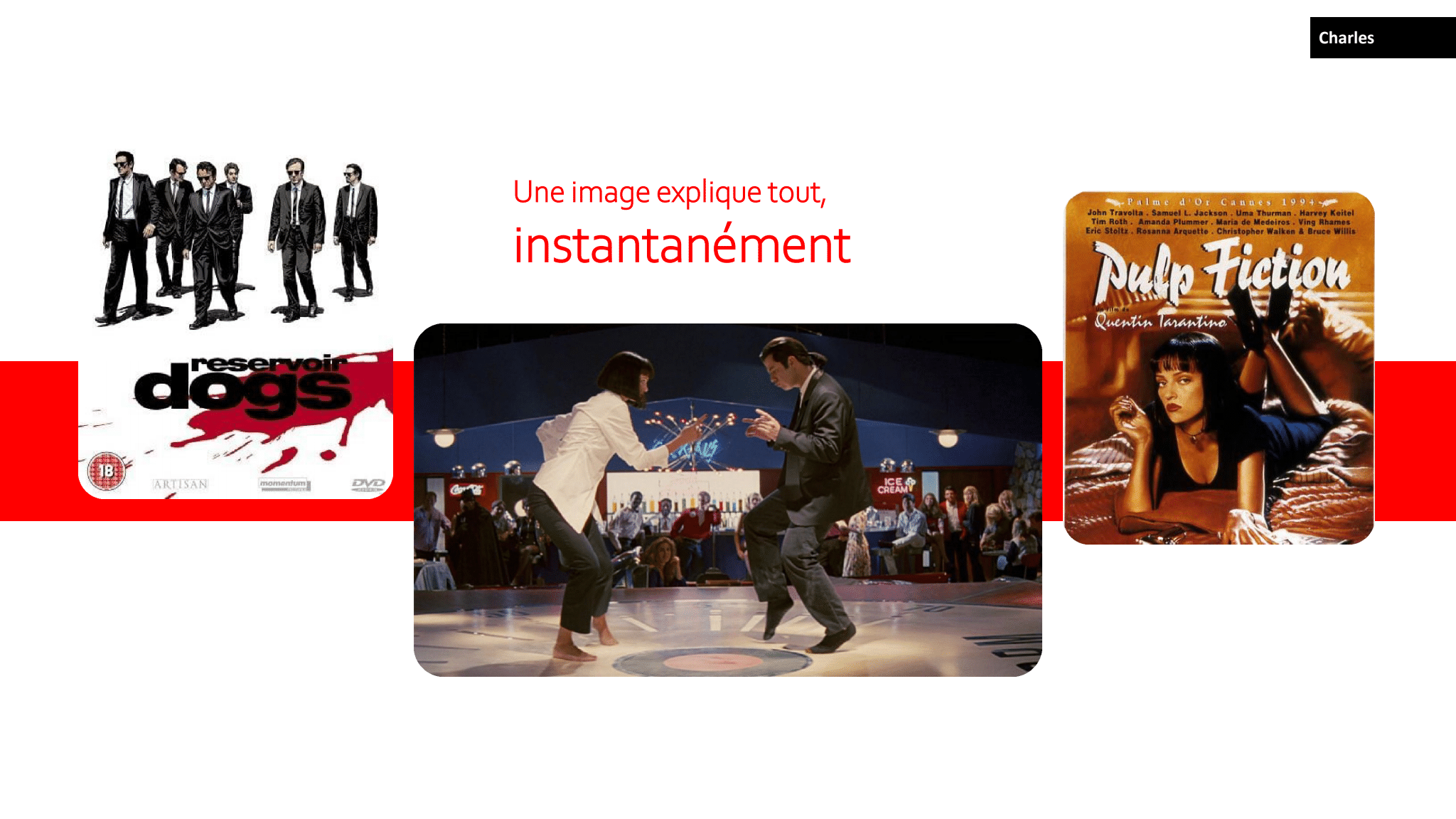
CF: When I was still in high school, movies of Quentin Tarantino They were showing. They were a revelation for me, an awakening to the power of images and therefore the power of communication. Film is an incredible vehicle for emotions. Initially, I wanted to become a director and enrolled in a Parisian film school. During an internship at the event and communications consulting agency Le Public Système, which later became Hopscotch, a new revelation occurred.By discovering the services offered to companies by agencies, particularly with regard to audiovisual productions, I knew that I had to move towards communication.
I then began directing and editing films, before working more on the overall concept of upstream production, eventually becoming a Client Director and film producer. And it was in 2015 that I decided to create my own company.
What does a typical day look like?
JM: At Lenôtre, there is no such thing as a typical day. Each month, we need to prepare the editorial calendar for social media. This involves creating visuals using InDesign, Photoshop, Illustrator, etc. Then there's a phase of reviewing the objectives of the editorial slant to implement. How should we express ourselves? What tone should we use? Should we emphasize certain characteristics of our brand? What atmosphere should we create for our feed? Finally, once this editorial line has been reviewed, we need to get down to writing the texts and key messages.
Within a communications team, it is crucial to constantly consult with each other on how to communicate. Being strategic means being highly organized. Why post a picture of a cake at 15:15 PM? Because snack time is approaching. Generally speaking, morning posts tend to be more formal and evening posts more festive, in order to create a buzz.
CF: Like Julie, I don't really have a typical day. It's very stimulating to constantly take on new challenges. I would say that the core of our activities could be divided into two major areas. On the one hand, everything related to the upstream aspects of production, and on the other hand, everything related to the production itself.
The initial stages are crucial: careful planning. It's essential to engage with the client and develop a concept that meets their objectives, all within a given budget. Each film is unique, requiring different techniques and participants: on-location reporting, studio filming, motion design…
Once production begins, all the resources previously defined for the film's creation must be implemented. Each step must be meticulously followed, and communication with the client must be maintained continuously.

What is the most stimulating aspect of your job?
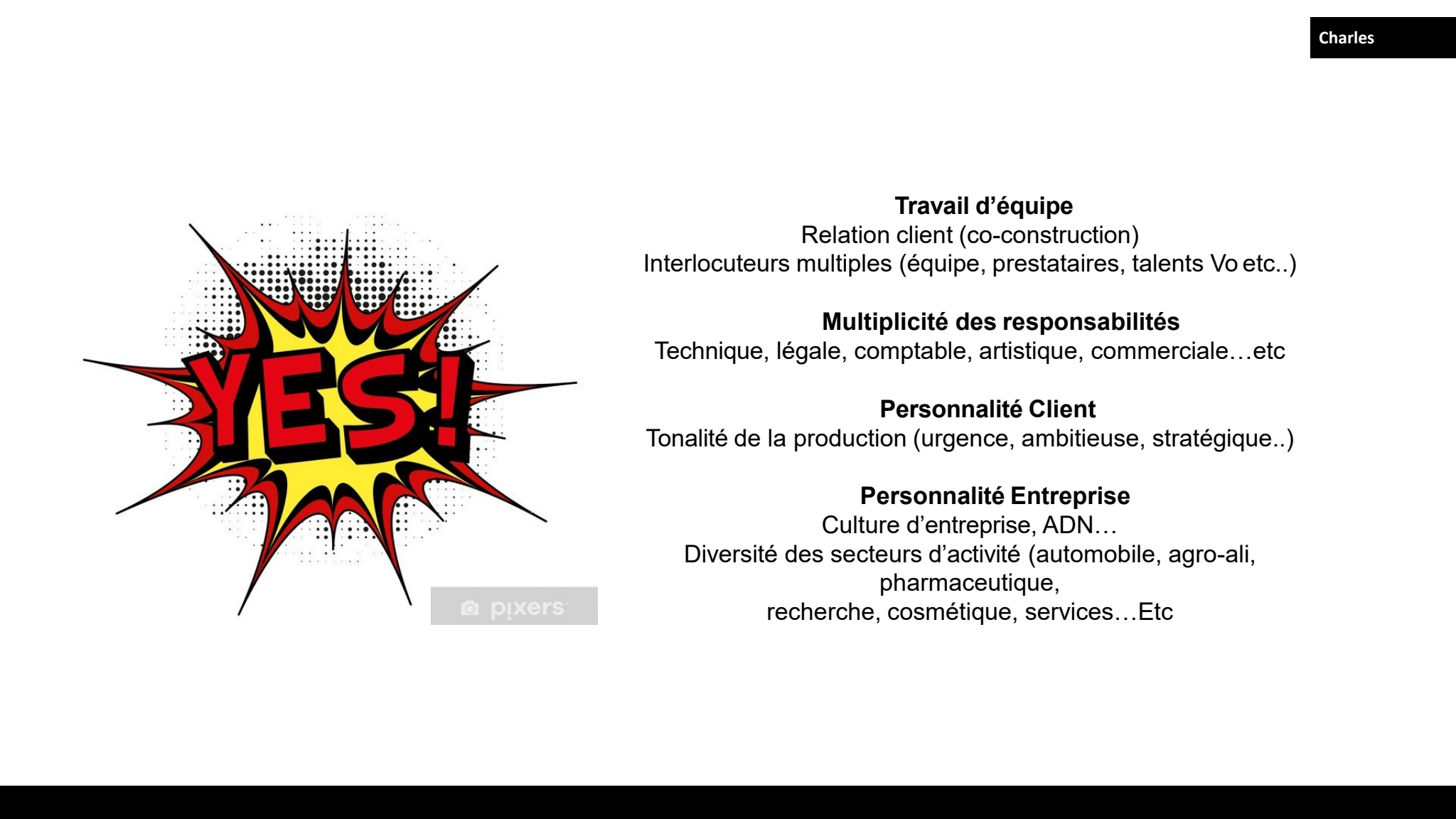
CF The most stimulating thing is being an architect. This image, in my opinion, is quite representative of the work produced. Indeed, Like an architect, we receive a commission, we study it, and we find the most suitable ways to bring the project to life. It's exciting to make a concept a reality.Another similarity would be the multiplicity of exchanges, with our client, but also internally with all the experts in the agency.
I would add that it is extremely stimulating to collaborate with a company that has its own DNA and identity. In fact, we often talk about "a company's culture". Each film responds to unique demands and values. Note that in addition to the personality of an advertiser, we must adapt to the personalities of the clients themselves.
JM: In the world of communication, everything moves at breakneck speed; there's something new every day. Creativity offers an extraordinary sense of freedom. It's possible to think outside the box and create something original. Sources of inspiration are inexhaustible, allowing communicators to reinvent themselves every day. However, it's important to remember that communication, especially on the client side, remains subject to strict rules. The dynamic nature of our work encourages us to stay curious, even outside of the workplace. And it's precisely this curiosity that adds value to our creativity.
At Lenôtre, the unique aspect lies in the breadth of activities. I am fortunate to be able to interact with passionate professionals, such as Michelin-starred chefs. The sheer number of contacts is extremely motivating. : accounting, legal teams regarding regulations, production…
Which communication campaign are you most proud of?
CF: In terms of communication campaigns, communicators have many options: studio filming, multi-camera sets, interviews, reports, motion design, behind-the-scenes footage… For example, we can produce a "showcase" film that presents a company's expertise in just a few minutes, a year-end review film that looks back on a year's successes, a viral film that generates views on social media… There are a multitude of possibilities in audiovisual creation.
More specifically, I would cite the internal communication campaign I produced for Sanofi. The pharmaceutical company's management wanted to explain to all its employees (more than 120.000) the very specific role of the medical affairs team. This team conducts active and attentive global monitoring to stay abreast of medical advances and be able to provide strategic support to the laboratory. Explaining the workings of medical affairs to thousands of employees required a pedagogical and playful approach. For this purpose, film is an excellent medium, allowing us to go directly into the field and communicate concretely through images.
This campaign encompassed all aspects of communication: analysis, rigor, and creativity to deliver the most accurate message. Filmed around the world, this 5-episode web series met the challenge of explaining in just a few dozen minutes the work that a team sometimes carried out over years. Certainly, the feat was graphic, technical, and artistic, but The real pride lies in achieving the objectives, since 98% of Sanofi employees were satisfied..
JM: Each year the the countryside The Christmas event at Lenôtre is a flagship event. I would say that my greatest pride as a communications professional is participating in this project. It all begins in September with a press day, presenting the upcoming holiday collection. Each year, a region of France is featured; this time it was Provence. So, How to embody this Provençal universe on the plates, from starter to dessert? In order to conceptualize this festive universe, we went to meet the producers and conducted our research with Éric Garence, official illustrator of the French Riviera. It is a long-term project, and it is very stimulating to see it evolve until its completion: the creation of a unique immersive universe.
Everyone in the house is pitching in. It's a large-scale collective project, and it's magical to be a part of it.
What are the major developments in the field of creativity?
JM: Today Everything has become quite hybrid, which leaves room for much greater creativity for communicators. We express ourselves more and are freer to try new things. There isn't so much a historical or technological evolution as an expansion of creativity. Increasingly, managers are realizing that this creative force is crucial, and that's where the real revolution lies.
CF: Technological advancements invariably impact the audiovisual production sector. However, it seems more important to address developments in post-production. Indeed, The jobs in post-production (editing, mixing, color grading) have fundamentally changed over the last few decades. Motion design, for example, which didn't exist 20 years ago, has now become an essential creative tool. It's common to hear "we'll see about that in post-production" when, during filming, we can't achieve the desired image or sound.
In the last century, Alfred Hitchcock paid particular attention to the filming stage: meticulous shot breakdown, precise movements of actors in front of the camera, an approach to directing that could be described as "scientific". The editing stage was almost a formality since all the mechanics of the scenes were designed before filming.
Now, we are observing the opposite phenomenon.

Another evolution in creativity concerns content. In a world flooded with communications of all kinds, where social networks are becoming veritable media outlets, it is more crucial than ever to stand out with original production. Creativity, when adapted to the context, is the condition for achieving fair and effective communication.
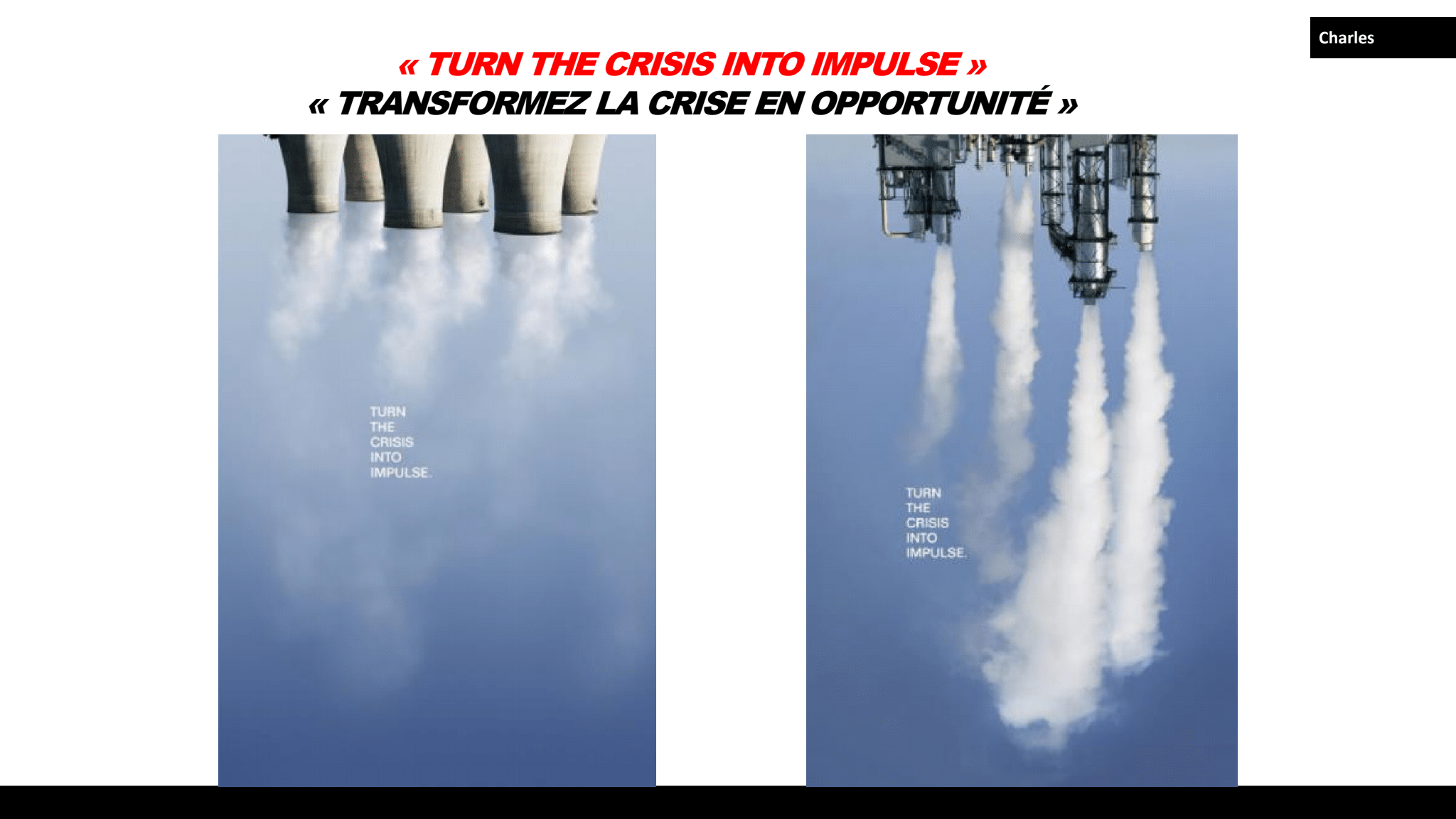
Take this SAP Consulting campaign, for example. The original idea of comparing industrial chimneys to rockets to "turn the crisis into an opportunity" seemed perfectly aligned with the DNA of this B2B solutions company. However, this strategy did not have the desired effect, as the public judged the campaign to be lacking in environmental responsibility. The key takeaway? Pay attention to the context when you are being creative.
Do you have any advice for future communicators?
JM: First and foremost, be organized and structured. In communication, many codes must be respected, and even more so on the advertiser's side, you do not have the right to be scattered. I would add that you will need to be curious, curious about everything. Don't limit yourself to your profession; be extremely open to the world, whose sources of inspiration are inexhaustible. Being curious allows you to generate new points of view and learn to take a step back. While my field is gastronomy, other areas inspire me daily (lifestyle, perfume, sports, etc.).
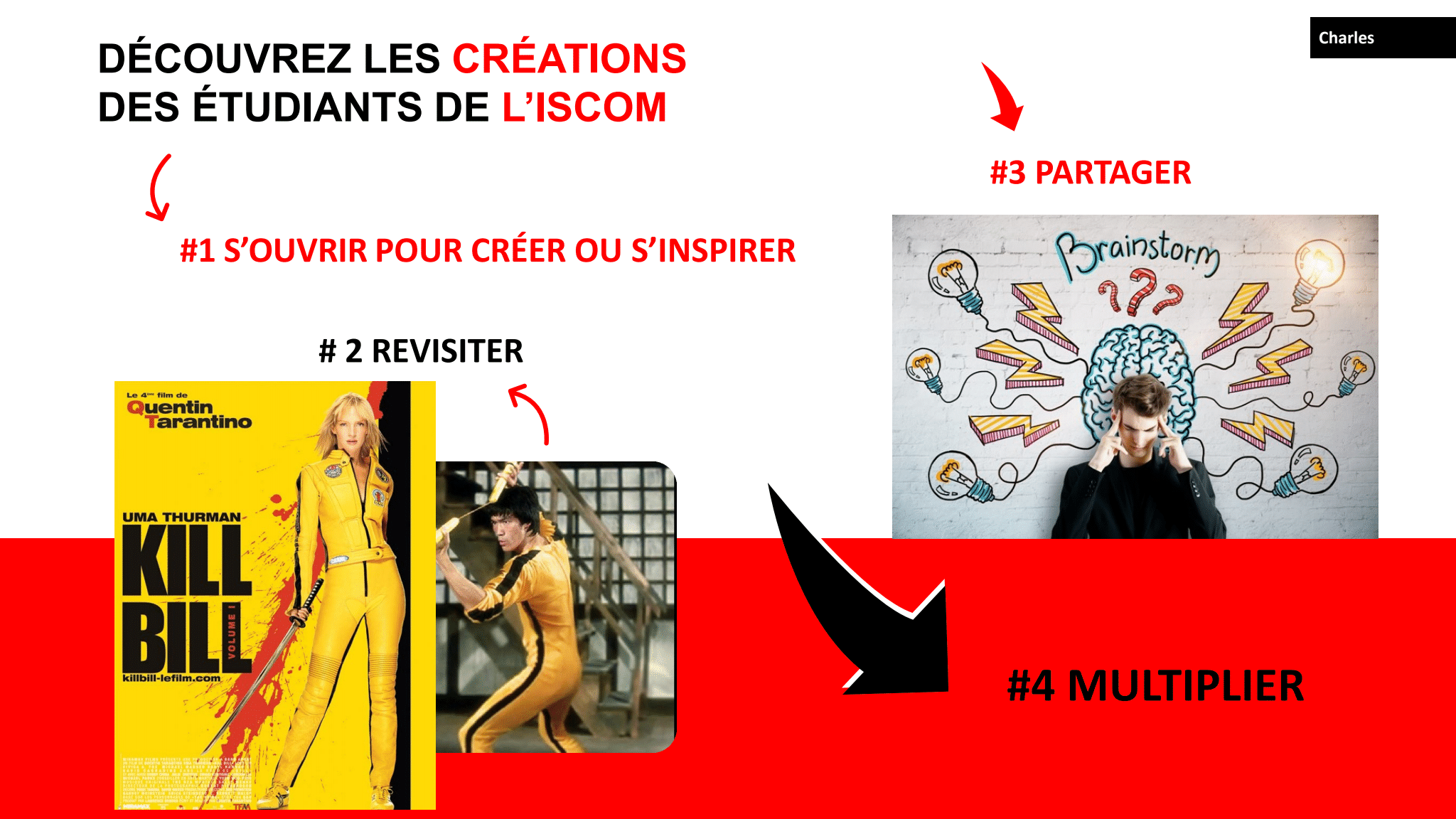
CF: I agree with Julie. It is absolutely essential to be open to all environments, to be curious about everything around us. Keep in mind that when it comes to creativity, anything goes. Millions of brilliant ideas already exist; feel free to revisit them and shape them in your own way to bring something new to the table. Doesn't Tarantino fully embrace his remakes and adaptations?
Another point that seems crucial to me is sharing. It is by confronting and arguing about points of view that ideas can be improved. Highly strategic communication thrives on exchanges and sharing..
Finally, generate a multitude of ideas. I like to think of communication as a journey. When we're thinking about an extraordinary destination, the best way to find it is to list dozens of them beforehand, so that one of them naturally stands out.