
OUISTITI! You can smile, since the Club We Are COM will make you a true professional in corporate photography. Executive portraits, team photos, photo library Whether it's an internal shot or a snapshot of the atmosphere, how do you take successful corporate photos? 📸
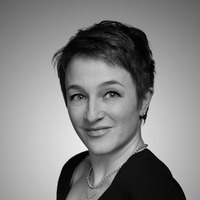
To find out, we called upon the talented Hermance TriayThis true artist of photography and expert in portraiture asserts it:Building a controlled image of yourself and your team is the surest expression of your professionalism."
Let's get started with a lesson in personal branding through images, with supporting examples!
Portrait photographer: a revealer of personality?
What is your background, Hermance? How does one become a portrait photographer?
For as long as I can remember, I've always been an artist at heart, with this desire to create, to draw, to paint. It was therefore out of passion that I wanted to train by enrolling at the École des Arts Décoratifs in Paris.
This appreciation for aesthetics led me to photography. My career began on the island of Ouessant, where I had the opportunity to take around a hundred portraits of somewhat rugged sailors. Later, I worked as a photographer at Studio Harcourt, a radically different world. Yet these experiences, however contradictory they may seem, share the same goal: to sculpt with light to bring out beauty.
Today, convinced that controlling one's image means controlling one's likeability, I have specialized in corporate portraits: executives, employees, team portraits…
The photo: the company's first image?
What types of photos are commissioned by companies? What are their specific characteristics?
A portrait of a leader is all about storytelling. It's about showcasing the best version of an individual: their charisma, their values, their ambitions, their worldview… I would say that the secret to a successful portrait lies first and foremost in the relationship between the subject and the photographer. A specific relationship is necessary; the subject is an actor who needs to be put at ease.
The team portrait, on the other hand, should showcase a certain hierarchy while still allowing each individual's personality to shine through. That's why the photographer needs to put the subjects at ease. Believe me, a team portrait reveals a great deal about a company and its atmosphere.
Finally, regarding the atmospheric image, the work progresses from the general to the specific: a pleasant arrangement, flattering lighting, a touch of tidiness (but not too much!). Each model must prepare, like an actor, to reenact their everyday gestures, in order to ultimately photograph what emerges from all this preparation.
What should one focus on to project a good image through photography? Is it absolutely necessary to ban stock photos?
Did you know that it only takes seven fateful seconds to form an opinion of someone? Based on this undeniable fact—the primacy effect—it's clear that a portrait is crucial. A person's image is constructed much like a brand image; this is what we call personal branding.
In other words, what is a good photograph? It is a visual that conveys a personality, character traits, that embodies sympathy, that affirms a team spirit, that testifies to a position… Standing out from the competition through image is a communicator's job, which requires reflection, brief and quality of execution.
To do as Hermance did and decipher the images around you, download our exclusive resource:
I'm downloading the guide: How to brief a photographer
However, let's not be dogmatic; if stock photo libraries exist, it's because they're useful. The important thing is to find the right balance, using them sparingly, according to individual needs and budgets.
What advice do you have for communications professionals who absolutely must use a professional photographer? What are the essential photos to take, in your opinion?
Each photographer is a specialist, working in their own way and operating within their own unique world. Take a look at their website, bio, or social media accounts to find the one that best suits your needs.
What are the most essential professional photographs? Those of your team, of course! It's crucial to embody a brand through faces; human connection is more engaging. I would say that carefully crafting the "team" or "recruitment" pages of your website, whether with individual or team portraits, has two significant advantages. Firstly, it reassures external audiences. Secondly, it engages and unites internal staff, who feel valued by their management. It's also not uncommon for a company to offer a new employee a portrait as a welcome gift.
Can you share your analysis of the following photographs?
Sanofi
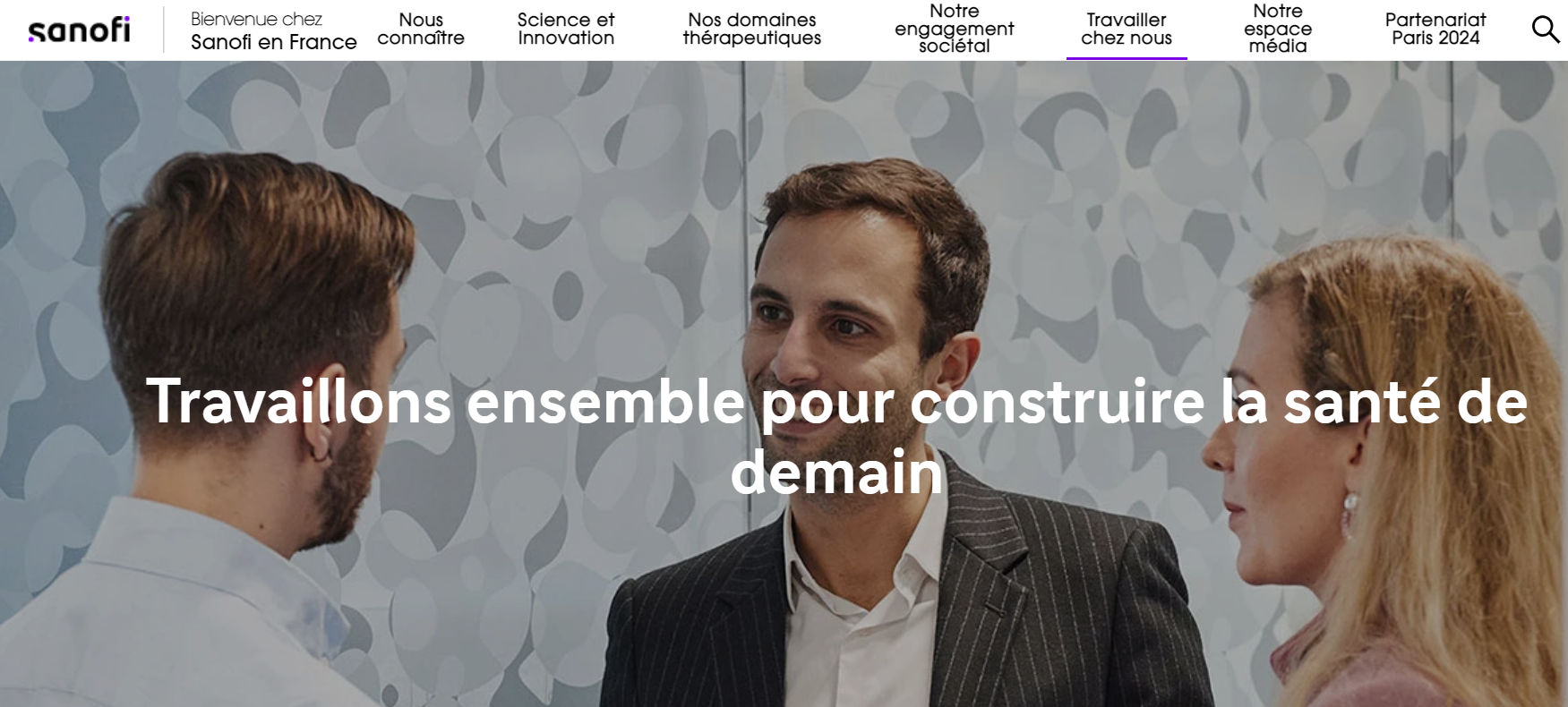
We see a fairly classic banner, featuring three collaborators who seem passionate, bold and willing, in a warm atmosphere.
One small drawback is that this sentence masks the mouth of the speaker and the ear of the listener.
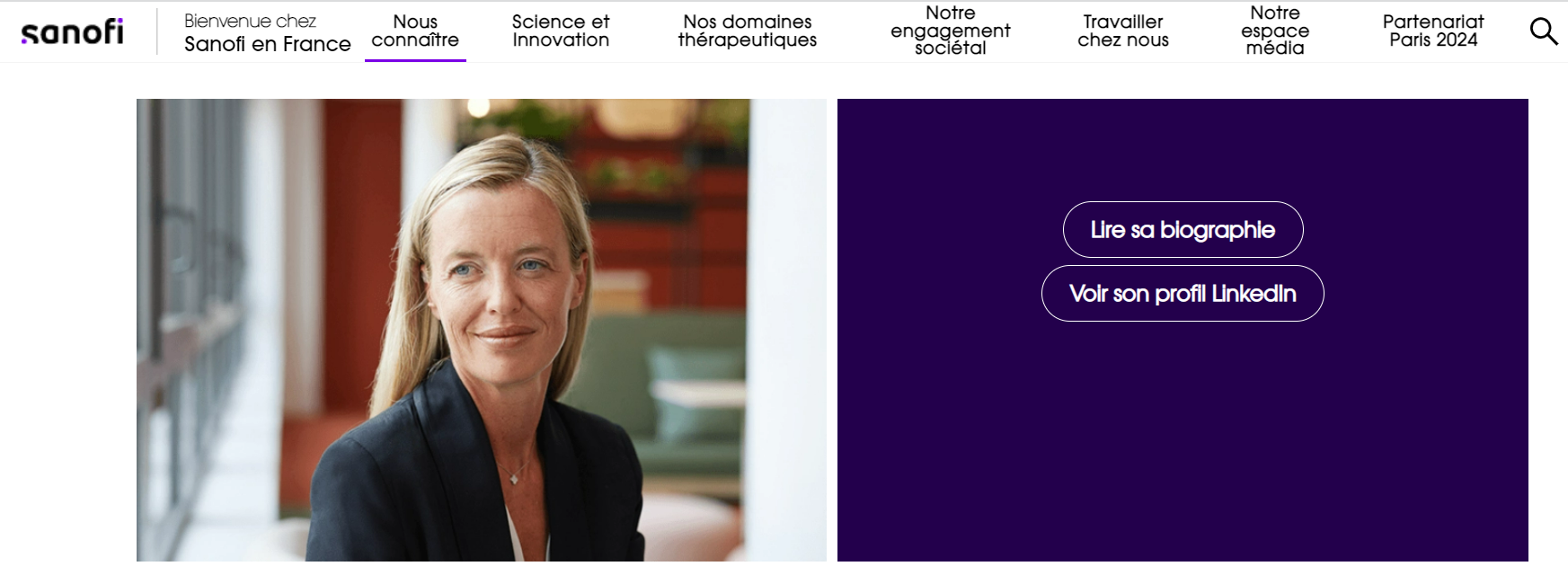
That's super classy, I say "bravo"! Be careful though, too often women are photographed from above, which can be seen as a patriarchal stance.
RATP
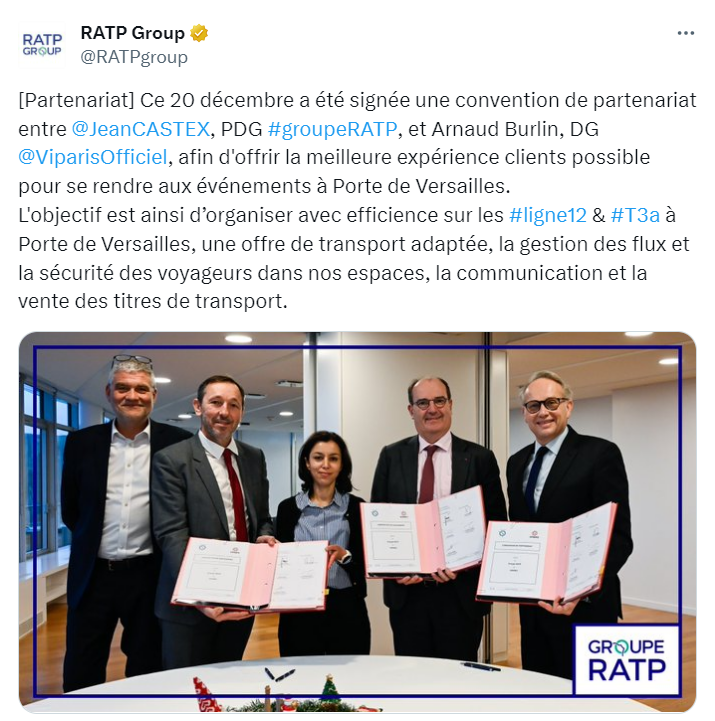
It was a spontaneous shot! Even though the lighting isn't great and the ties aren't perfectly centered, they're smiling and seem genuine. I might have blurred the background, which clashes with the left-leaning colleagues.
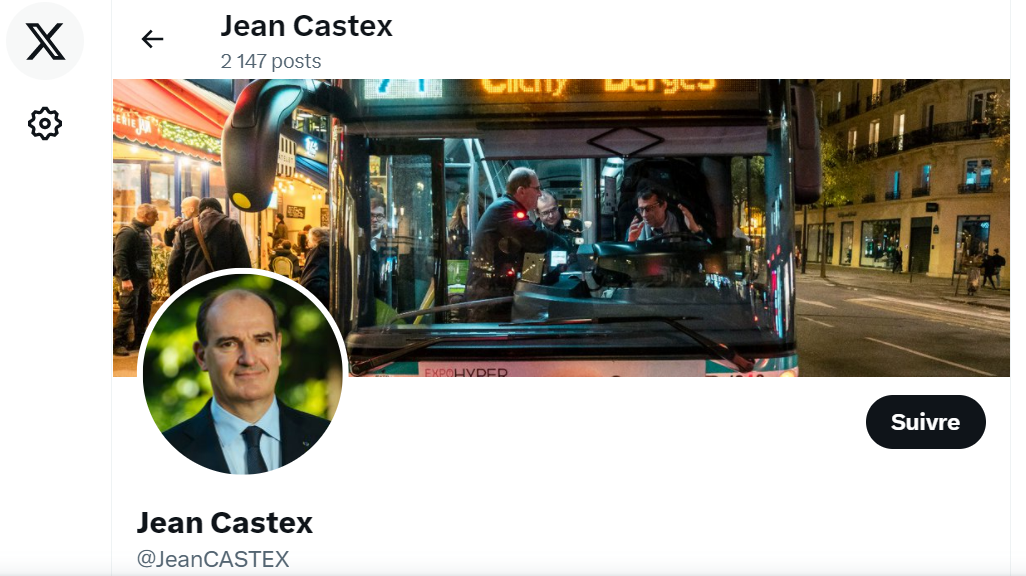
Excellent, and a superb green setting that complements the portrait.
French briefs
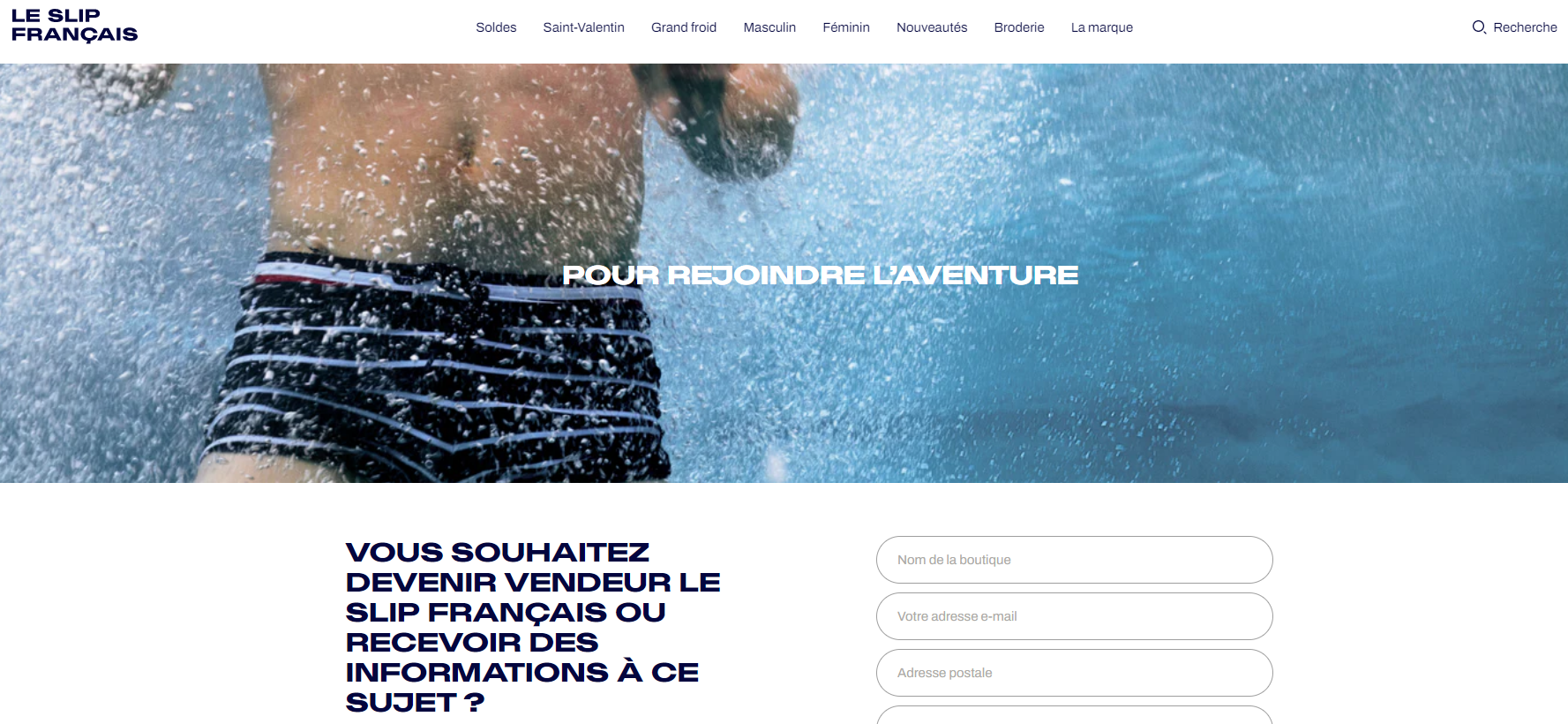
A flawless execution. This image, devoid of collaborators, conveys the feeling that everyone is welcome. The logo in the colors of the French flag, the phrases "equal opportunities" and "if you are" only reinforce this sense of welcome.
A rather elegant and well-aligned ensemble, highlighted by a slightly provocative background that makes you want to apply.
Casino Group
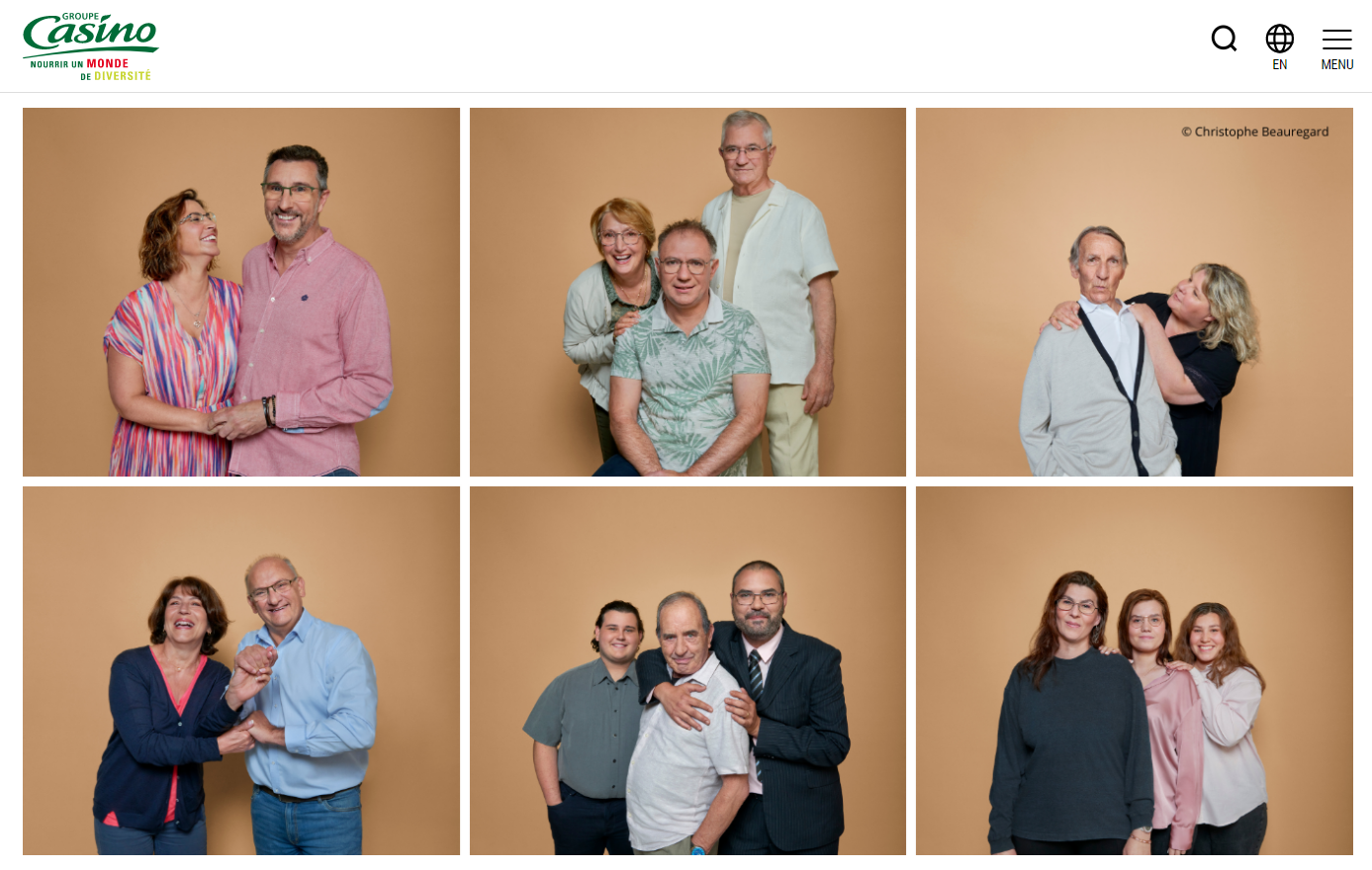
A soft, all-encompassing light, reminiscent of portraits on banners, or perhaps even the "Gods of the Stadium" calendar. This photograph beautifully showcases the group's employees, highlighting cohesion and recognition.
It is important to know that posing in groups adds a playful aspect to the photo shoot, which takes the drama out of the exercise.
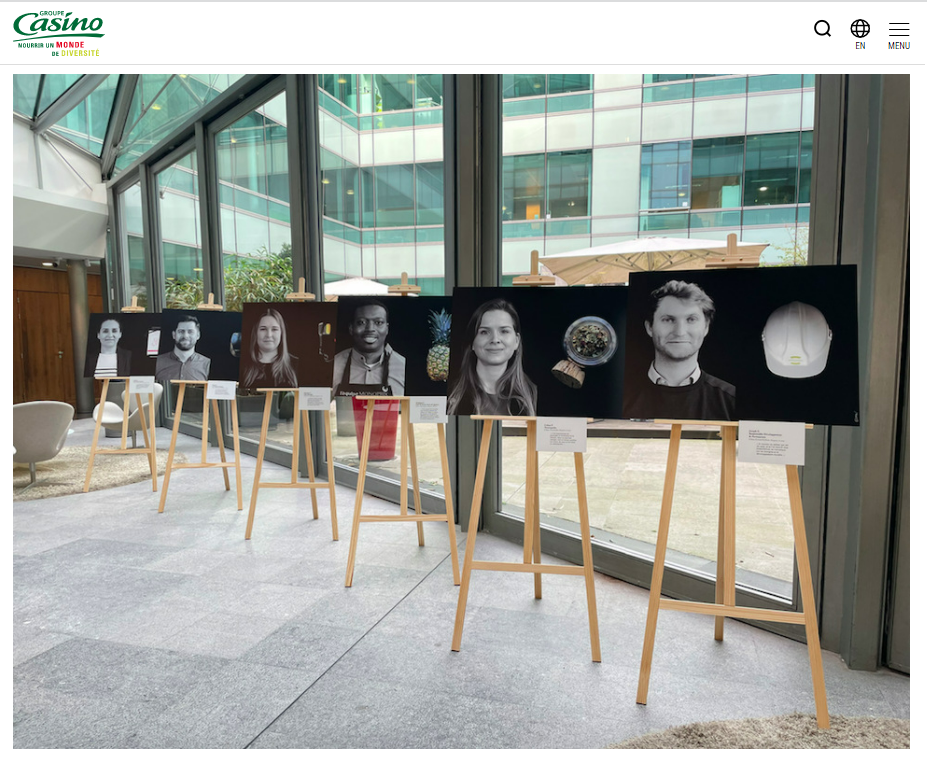
Beware of black and white. The public will wonder if it's an attempt to hide a lack of aesthetics or simply a matter of cheapness. Unless it's perfectly executed, a monochrome photograph can have a negative connotation: so remember that photographic "DIY" fools no one.
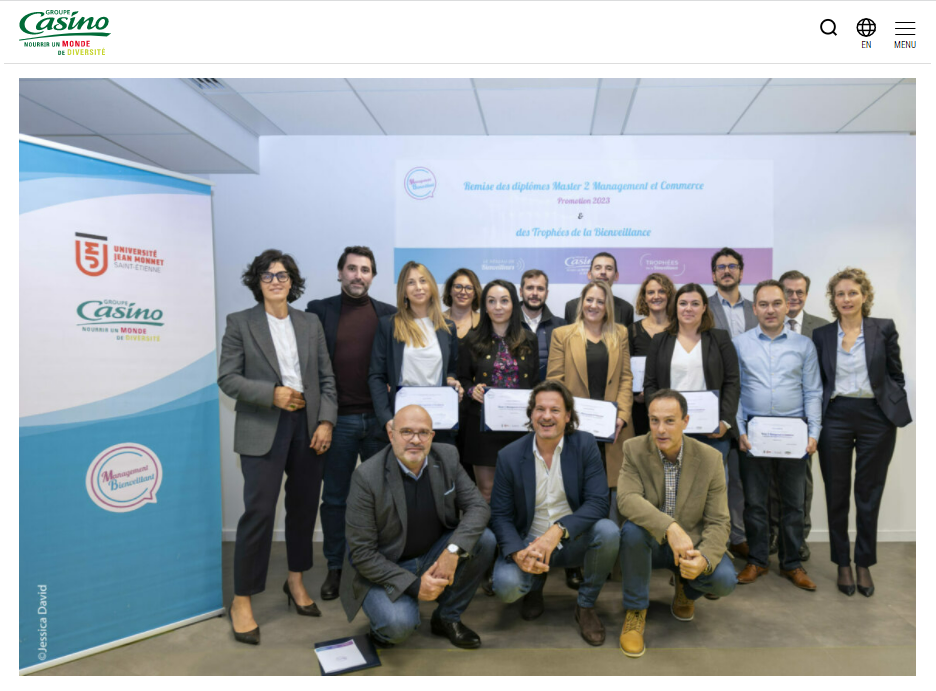
This is a "ritual" type image, which doesn't appear to be the work of a professional. It captures a moment, a team memory, without requiring any prior work, and it shows.
I'm not particularly impressed by this image, but it does have its uses, functions, and merits. However, should it truly serve as a communication tool for the company? Something to think about.
Decathlon
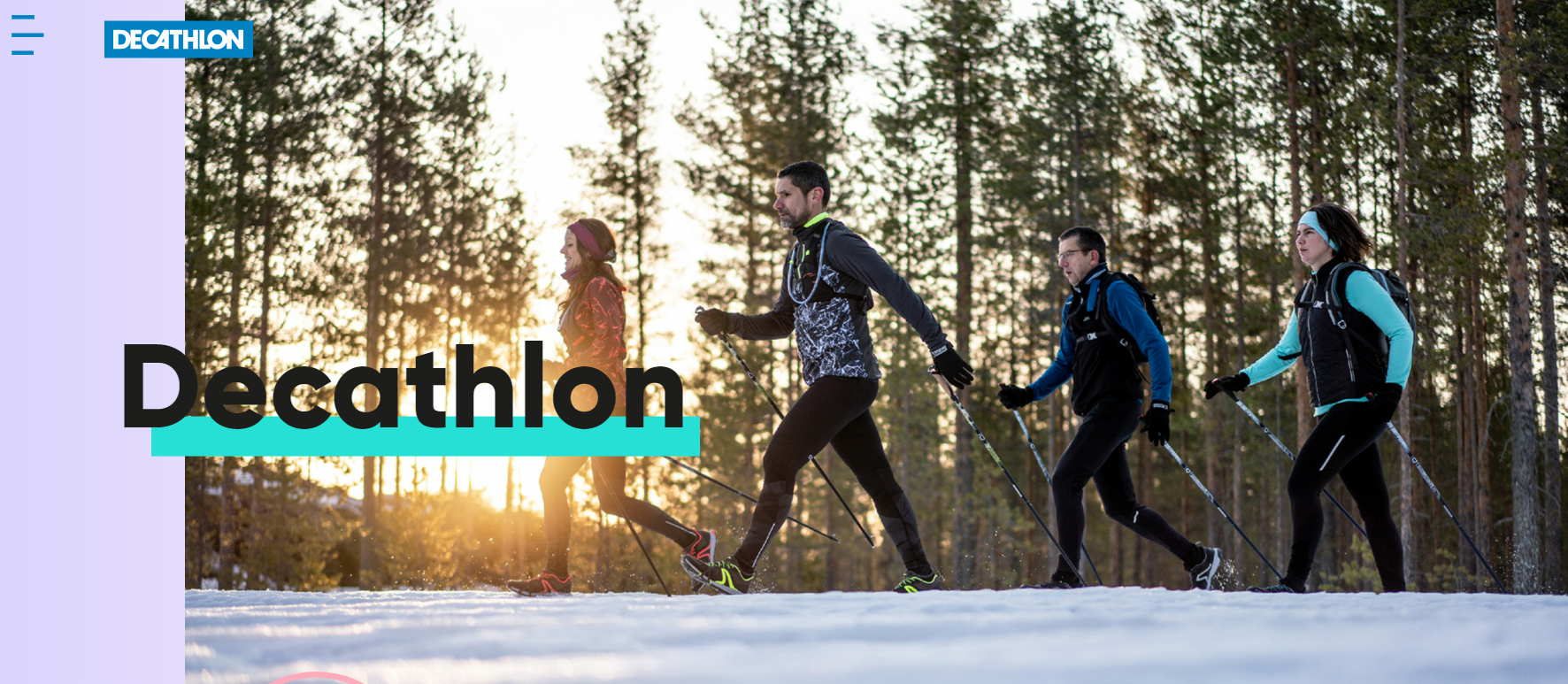
The figures appear to be moving at the same pace and in the same direction, with perfect parity. It's a beautiful and well-chosen image, energized by this low-angle shot, which makes us want to test the equipment at sunset.
To do as Hermance did and decipher the images around you, download our exclusive resource:
I'm downloading best practices: How to decipher an image
The portrait: a mirror of the soul?
What characterizes a portrait? How can one recognize a good portrait?
71% of recruiters admit to having rejected an application because the LinkedIn profile wasn't professional enough, even though the CV had convinced them. A profile is a human connection, a true catalyst for contact.
Subconsciously, we all read the non-verbal features and expressions in the portraits we see. This is what we call "emotional intelligence." And it is precisely the emotion generated by this human interpretation that characterizes a good portrait.
More specifically, what constitutes a successful company portrait? Here's my mnemonic device: the acrostic for "success"!
- Recent: it must match your CV.
- Energetic: it should represent your dynamism.
- Unique: you and you alone.
- Smiling: obviously!
- Appropriate: your outfit should be suitable for the occasion.
- Here & now: the background must be consistent with the message you wish to convey.
- Top: it must create a "Wow" effect and instantly make people want to meet you.
- Experienced: You're a PRO, show it! Hire a pro for your portrait.
Which portrait for which communication medium (social networks, intranet, interview…)?
To best connect with your audience, it's crucial to adapt to their codes. On the social mediaMy advice would be to make yourself fascinating, by emphasizing emotion.
However, LinkedIn is an exception. On this more professional network, choose an "enhanced CV" profile picture, which evokes both friendliness and seriousness.
To be impactful, ensure your LinkedIn profile picture is clear, a good likeness and friendly, pay attention to framing and background and avoid selfies at all costs.
The banner ad, on the other hand, is the sales page for an individual or a brand. The internet user must instantly understand who or what it is: graphic design, social proof, a concrete message…
I would say that theintranet It fosters a kind of secret competition between colleagues. It's a platform where users observe and monitor each other; it's a space where company culture can subdivide into cliques.
The portrait you choose for an interview should be intelligent, open, and radiant. The presentation is most often a wide shot, which visually reinforces your expertise.
Is this the end of portraiture in the age of social media and artificial intelligence?
Of course not! Despite the quality that it can generateartificial intelligenceNothing can replace the human being, the photographer. Only a being endowed with emotion can bring human expertise, bring out the unique sensitivity that exists in each of us.
Portraiture is a subtle, sensitive, precise and above all, tailor-made art.
What is the process for taking a good portrait? What details should you pay attention to? How long does it take? What type of background should you use?
To create a good portrait from the outside, you must want it on the inside. The more your self-image aligns with the one you want to project, the better the session will go. And a successful session means a successful portrait. So, think about your inner self-positioning.
However, be wary of our society's current tendency towards narcissism; the photographer's ambition is absolutely not to feed this system, which is already far too fueled by social media. One must love one's image, not worship it.
I would add that in a successful portrait, every detail counts. Your posture, your gaze, your smile, your hairstyle, your clothes, your accessories, the lighting, the framing… Leave nothing to chance, because every detail is important in the final result.
Finally, regarding the content, you should prioritize a content that speaks about you, that tells your story and highlights your value.
Can you share your analysis of the following portraits?
Elon Musk
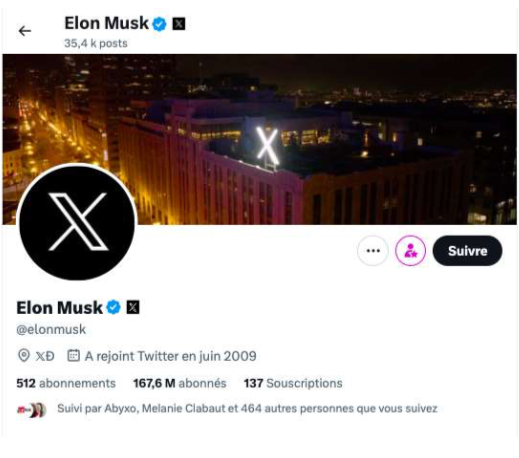
Doesn't this black and white X make you think of a threat? Unlike the very naive little blue bird, I find this new brand identity unsettling. It blocks our path and shows that it takes itself seriously.
Orelsan
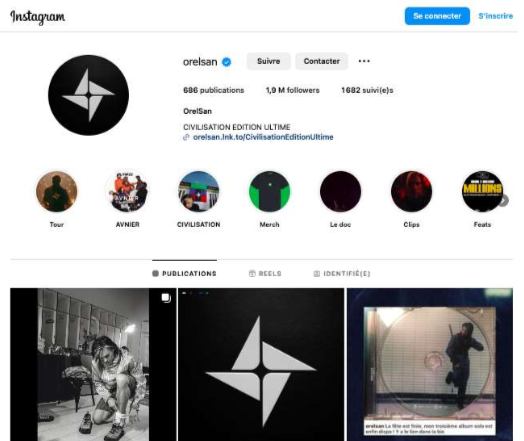
This image, both solid and slightly menacing, speaks in a particular way to those in the know. Those in the know will understand; it establishes a kind of complicity.
This very solemn black and white logo depicts a shuriken, a traditional Japanese weapon. Personally, I find this image interesting, as it's the complete opposite of the harmless image one might have of the famous rapper.
Barack Obama
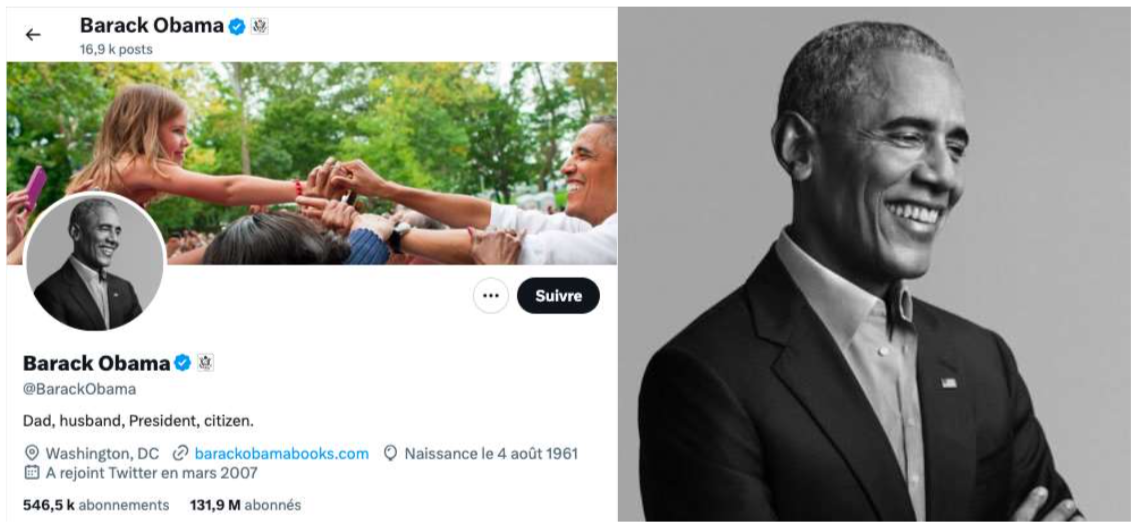
What does this portrait say? Elegance, space, respect, confidence, gentleness. Behind this apparent artistic simplicity lies a true image strategy.
Like a subject in a work of art, the former American president stands with his arms crossed, his posture open to the world. He appears thoughtful, yet smiles broadly. He doesn't look directly at the camera, which adds a touch of naturalness to the more traditional portrait. Ultimately, it's the portrait of someone who doesn't disappoint.
Donald Trump
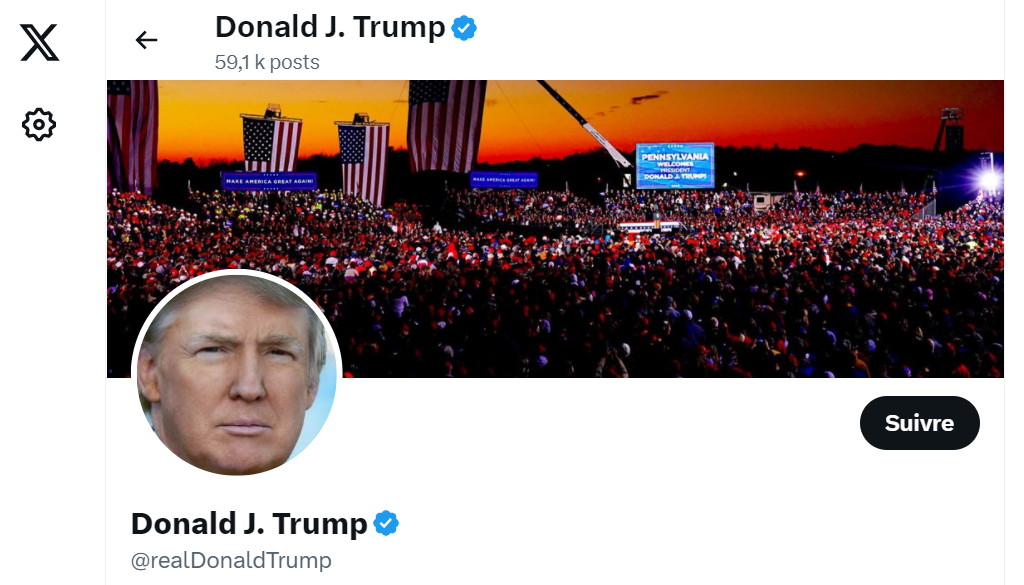
In stark contrast to his predecessor, Donald Trump's face appears stern, almost oppressive. His deep-set eyes seem embarrassed by the light, and his tightly closed mouth is contemptuous. Through this image, his personality seems overwhelming. This is the portrait of a grandiose narcissist.
Emmanuel Macron
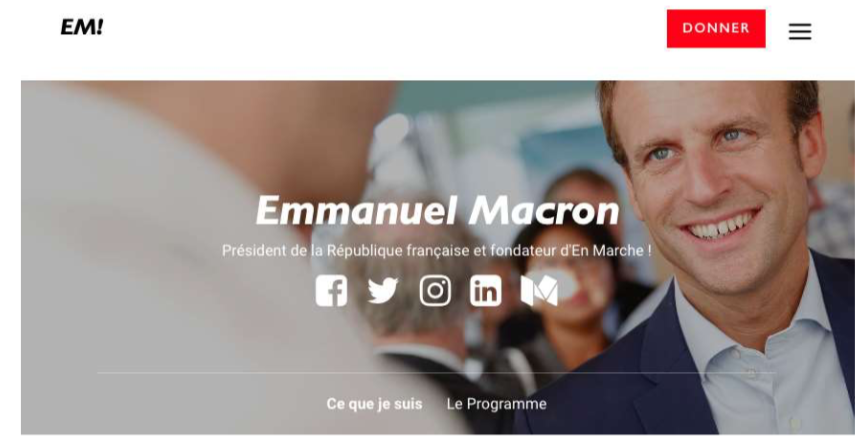
This image depicts a young and energetic figure. We can make out a handshake and an attentive gaze directed at his interlocutor. Emmanuel Macron stands against a blue background, the French people's favorite color, in a relaxed atmosphere. The result? He reassures us and generates almost instant trust.
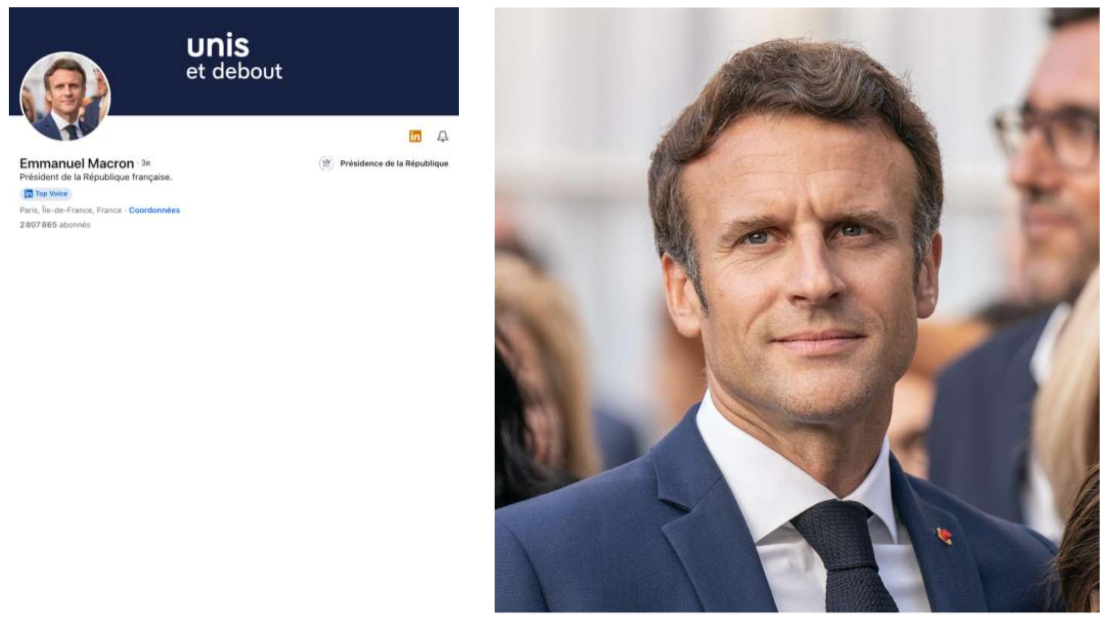
This time, the politician adopts a more classic look, sporting a focused and serious expression. With slightly sloping shoulders and an eagle-eyed gaze fixed on the camera, mouth closed, a neutral smile, and a subtle frown line, he seems to be thinking about the future.
Marine Le Pen
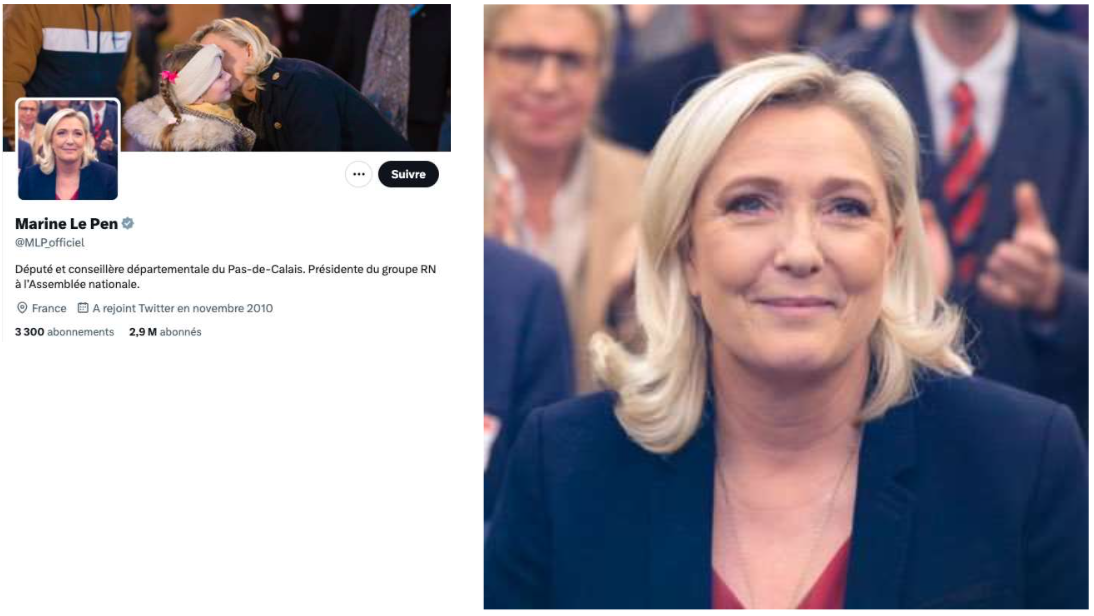
Like Emmanuel Macron, Marine Le Pen tries to tell us, "I'm capable." From the front, she shows us that she has broad shoulders. Her almost predatory smile seems to hold back a laugh. Yet, it's what's called a "social smile," a reflexive smile for the camera, betrayed by the lack of facial muscle contractions.
Michel Edouard Leclerc
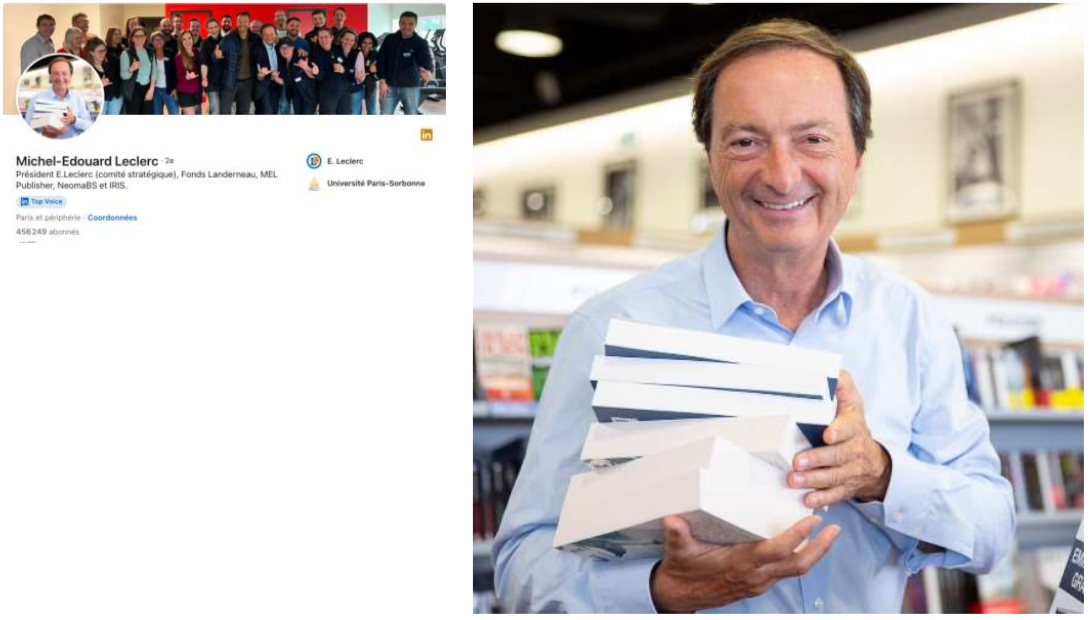
The President of the eponymous group, for his part, presents himself with a genuine smile, which lends him a certain joviality, even approachability. A few subtle highlights on his high forehead and a stray lock of hair make everything seem natural.
The low angle of the shot gives him a sense of height, and the books he's holding suggest his desire to preserve purchasing power. Finally, he seems to be actively involved by restocking the shelves himself.
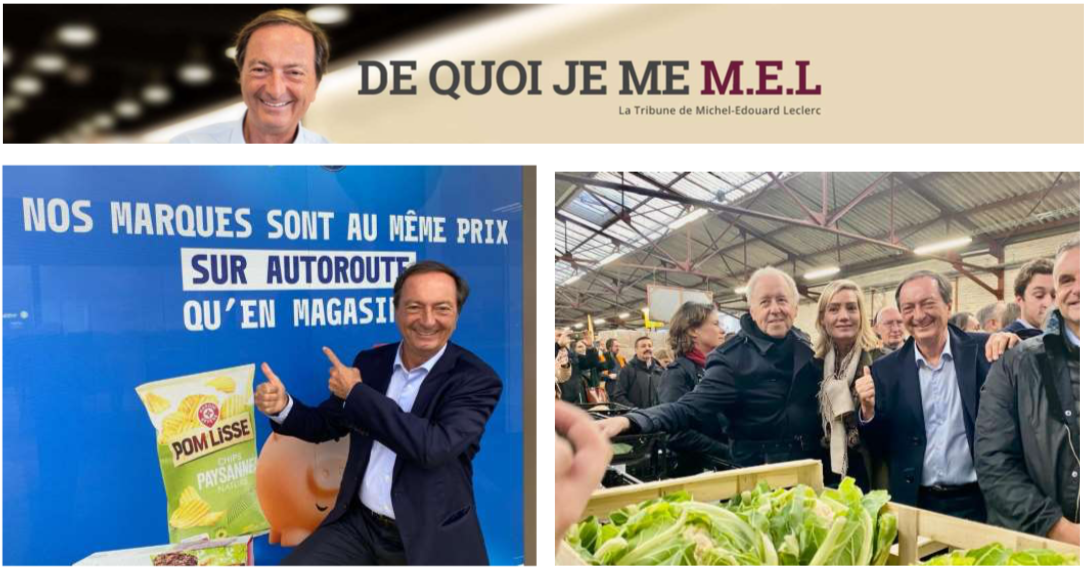
Is he photographed in a spaceship? Even if the smile seems genuine, the editing is very poorly done. It's not a complete failure, since it remains engaging, but it's not entirely successful either.
Watch the full replay and tdownload the presentation materials