

In a world where borders are disappearing, brands must constantly reinvent themselves to speak to consumers from all corners of the globe 🌍 But how to remain consistent while adapting to local specificities? The answer is not simple! International communication is a real balancing act, and communicators are more than ever at the center of this dynamic.
So, What are the main challenges to overcome and how can one excel in this demanding discipline? Focus on best practices to adopt in order to establish a presence everywhere, while respecting local expectations.
1. A global brand identity, a local adaptation
To succeed internationally requires preserve the brand's DNAwhile adapting its message and actions to the realities of the local market. The big challenge? Finding the perfect balance between global coherence and local relevance.
The theory of cultural dimensions of Hofstede provides a useful framework for addressing these differences.
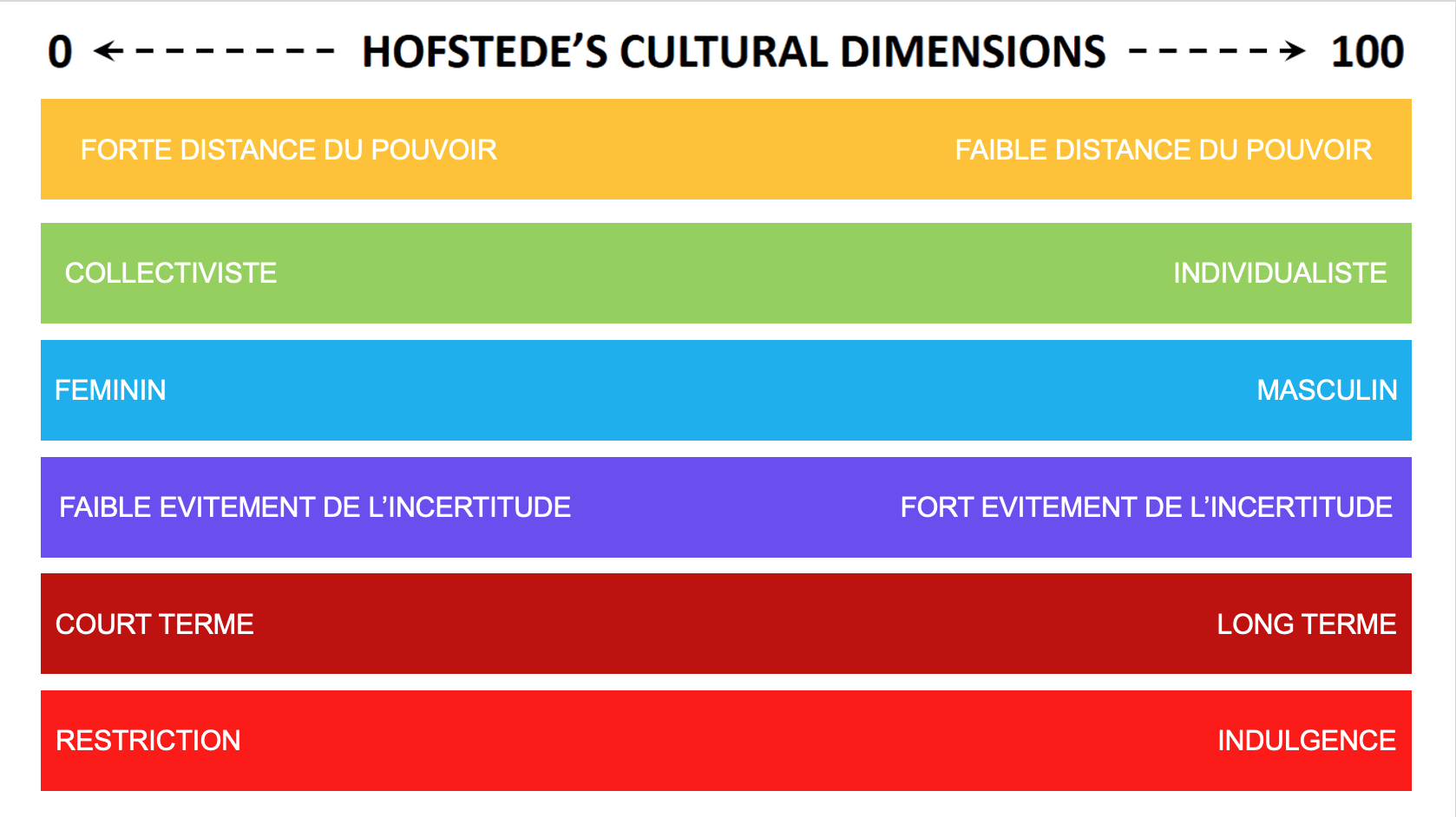
Among its six key dimensions:
- Individualism vs. Collectivism In individualistic cultures (like the United States), communications often focus on personal achievement and distinction. Conversely, in collectivist cultures (like Japan), group harmony and collective well-being take precedence. For example, a Nike campaign in the United States might focus on an athlete's individual performance, while in Japan, it would emphasize teamwork and community values.
- Power Distance This dimension measures the extent to which a culture accepts power inequalities. In countries with a low power distance (such as the Netherlands), communication tends to be direct and open, encouraging collaboration. In countries with a high power distance (such as India), a more respectful and hierarchical approach is often necessary in communication, particularly with superiors.
By leveraging these dimensions, brands can refine their communication strategies to meet local cultural expectations while preserving their global identity.
📌 Best practice: To guarantee this winning duality, it is essential to formalize guidelines Clear guidelines define the non-negotiable elements of the brand (logo, tone, values) while allowing room for local adaptation. This enables each team to operate in harmony with the central identity while addressing the specific needs of its market.
2. Localization: much more than a translation
Adapting isn't simply about translating a slogan or a visual. location requires careful adaptation, taking into account the your, the cultural references, the visuals and even, in some cases, the produced itselfStarbucks excels in this exercise with adapted menus: vegetarian options in India or sakura drinks in Japan.

🤝 Tip: Close collaboration with local teams is crucial. They are the ones who hold the key. field knowledge and can adapt campaigns to be perceived as authentic. Why not go further by integrating local influencers, key figures in strengthening consumer engagement?
3. Media: which channels for which markets?
One of the major challenges of international communication is the choosing the right media channelsEach market has its own content consumption habits: while Instagram and Facebook dominate in Europe and the United States, WeChat ou douyin (TikTok in China) are essential in China. Moreover, in some regions, radio or television retain a strong influence.
📊 To remember : Before any campaign, a thorough study of local media habits is necessary to maximize impactMake sure the message reaches the right audience, at the right time, and through the right channel. A misdirection, and the campaign's effectiveness will suffer!
4. Local regulations: an essential step
Another obstacle to overcome: local regulations. Whether it's data protection (GDPR in Europe) or restrictions on advertising content (particularly in the Middle East), each market has its own own legal constraintsIgnoring them risks sanctions, but also bad publicity.
🔍 Example: Nike has brilliantly met this challenge with its range pro hijab while respecting local Middle Eastern standards. Proof that it is possible to reconcile creativity et compliance with regulationsThe goal is not to stifle innovation, but rather to adapt it intelligently to each market.
5. Measure, adjust, and optimize in real time
La performance measurement is essential for any international communication strategy. What works in one country will not necessarily work in another. Measure results market by market (engagement, conversion, sales, etc.) and implement strategies. feedback loops Working with local teams allows us to remain agile.
🎯 Case study: Brands like Spotify and Airbnb rely on A / B tests and a detailed analysis of behaviors to adjust their campaigns in real time, thus ensuring they optimize their local impact. The key here is agility.
5 key points to remember for effective international communication
- A global and flexible brand identity : global coherence and harmonious local adaptation.
- Localization, much more than translation : adjust the tone, visuals and products to cultural specificities.
- Choice of media channels : understanding local habits to effectively reach your target audience.
- Compliance with local regulations : navigating between legislations without sacrificing authenticity.
- Measure and adjust : use local data to continuously refine campaigns.
International communication is not an obstacle course, but a exciting adventure where each market offers new opportunities for innovation 🌐 By finding the right balance between a coherent global strategy and relevant local adaptation, brands can not only establish a lasting presence, but above all to create authentic connections with diverse audiencesLet's share our experiences and inspire each other to succeed together in this globalized world 💪
🎥 The workshop replay
📋 Workshop support
Workshop support 🇫🇷 Workshop support 🇬🇧